
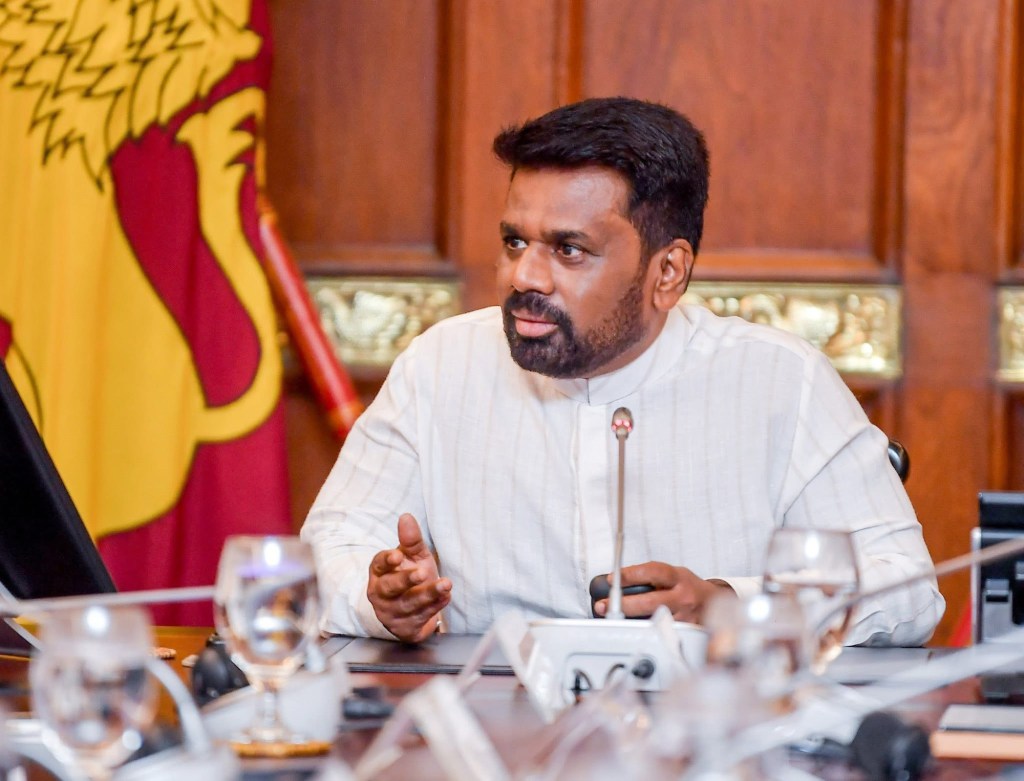
When Anura Kumara Dissanayake (AKD) announced his presidential run in 2024, few believed Sri Lanka was ready for a leader from the far-left Janatha Vimukthi Peramuna (JVP). But that underestimation became the very fuel for his meteoric rise.
Fast forward to today: AKD is not only Sri Lanka’s president but also the head of a government with a two-thirds majority in Parliament. But is he living up to his promises?
Let’s take a look at how he campaigned, what made him win, and how his government is performing nearly one year into power.
🔥 The Campaign That Captured a Nation’s Anger
AKD’s campaign was bold, populist, and very different from traditional politics. He spoke directly to the frustrations of everyday Sri Lankans after the economic collapse of 2022–2023.
His promises included:
Ending corruption “from top to bottom” Abolishing the all-powerful executive presidency Supporting local businesses and farmers Creating jobs for youth and reducing the cost of living
While the political elite dismissed him as “unrealistic,” voters saw him as a fresh start.
🗳️ September 2024: The Unthinkable Happens
In the presidential election held on September 21, 2024, AKD shocked the nation—and the world—by winning the presidency. He secured 42% of first-preference votes, then won after second-preference counting.
For many, it was a peaceful revolution. His campaign tapped into people’s deep mistrust of the traditional parties, and it worked.
🏛️ November 2024: Parliamentary Landslide
Just weeks later, AKD dissolved Parliament and called for a general election.
In November 2024, the National People’s Power (NPP) alliance won 159 out of 225 seats—a massive mandate. It was the first time in decades that a single movement had both the presidency and overwhelming control of Parliament.
They even made breakthroughs in Tamil and Muslim regions, including Jaffna—areas where JVP once had no support.
📉 From Revolution to Reality: The Governance Transition
📢 Messaging Shift
After the election, analysts noticed a clear shift in tone. AKD’s fiery anti-corruption rhetoric was replaced by more measured, institutional language.
A study of his social media posts in early 2025 found:
Less focus on corruption after winning office Fewer mentions of systemic reform More talk about budgeting, foreign investment, and international diplomacy
💰 Economic Strategy
In February 2025, AKD’s government presented its first full budget:
Cut income taxes for lower- and middle-income brackets Increased spending on education and health Met IMF targets, keeping deficit below 5.2% of GDP
Despite fears, he stuck with the $2.9 billion IMF program, which was essential to access foreign aid and restore global confidence.
He also led the successful restructuring of $83 billion in debt, helping Sri Lanka avoid default.
🌍 Foreign Policy Reset
AKD’s first official trip abroad was to India in December 2024, signaling respect for a vital regional partner. Soon after, he visited:
China (secured a $3.7 billion Sinopec deal) UAE, Vietnam, and Germany to build trade partnerships
His government is carefully balancing ties with India and China, showing strategic maturity.
📊 Public Sentiment: A Mixed Bag
As of mid-2025, public opinion is divided:
✅ What People Like
Political calm after years of crisis Lower electricity and fuel prices Young people getting more involved in government
❌ What’s Missing
No major anti-corruption cases yet Presidency hasn’t been abolished (as promised) Not enough new jobs created, especially in rural areas
While AKD is still more popular than most past presidents, expectations are high—and patience is limited.
🧭 What’s Next for AKD?
Now that the honeymoon period is ending, the hard work begins. Key questions for 2026 and beyond:
Will he follow through on abolishing the executive presidency? Can he deliver justice for past corruption scandals? Will the economy continue to stabilize—or slide back into crisis?
With full control of Parliament and wide public support (for now), the responsibility lies squarely on his shoulders.
✍️ Final Thoughts
Anura Kumara Dissanayake came to power promising a new political culture. His campaign shook up Sri Lanka’s system, and his presidency marks a new chapter in post-crisis recovery.
But governing is always harder than campaigning.
As 2025 enters its second half, AKD is walking the tightrope between populist expectations and economic realism. Whether he can balance both—and still drive reform—will define not only his presidency, but Sri Lanka’s future.


Leave a comment