
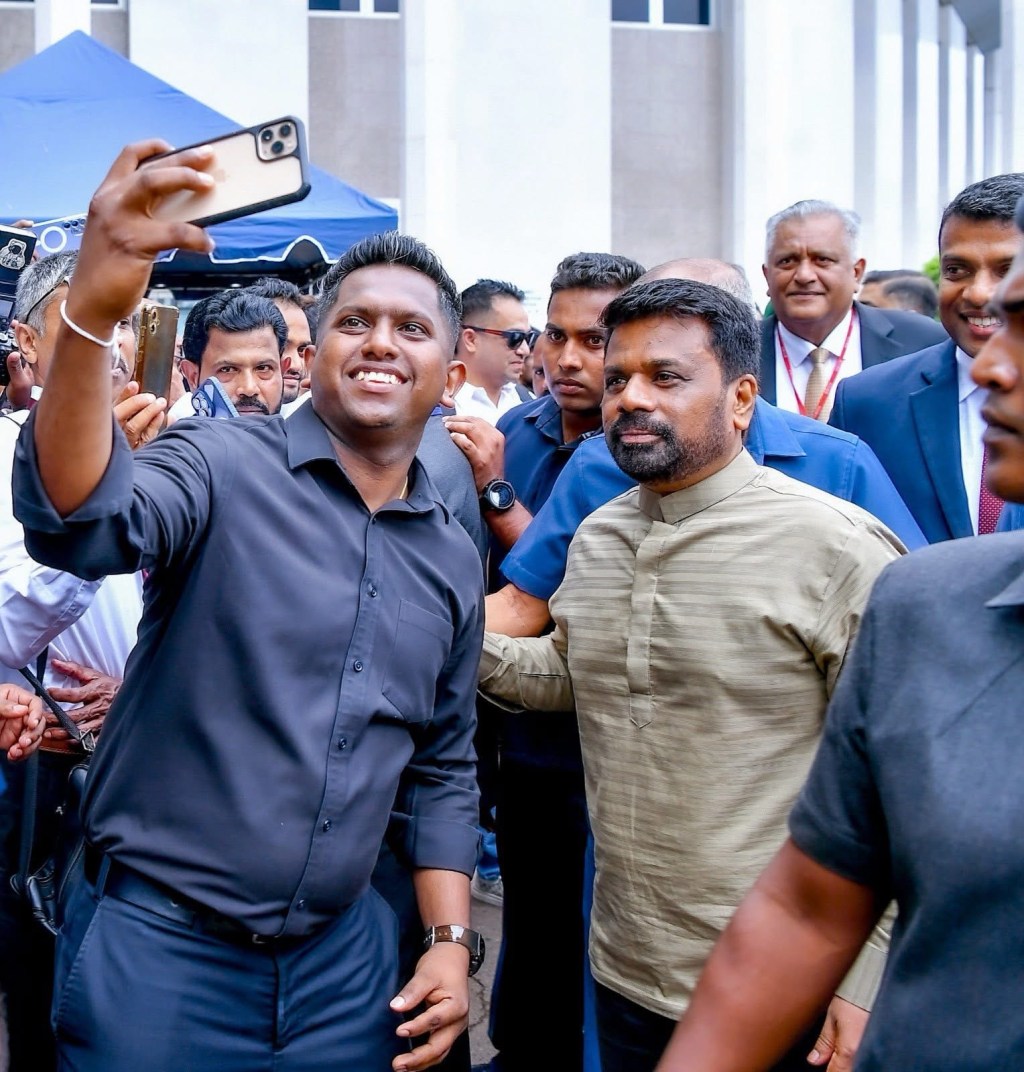
When Anura Kumara Dissanayake assumed the presidency of Sri Lanka in September 2024, it was widely seen as a landmark moment. Leading the National People’s Power (NPP), a leftist political coalition promising radical reforms, transparency, and an end to entrenched corruption, Dissanayake’s victory symbolized the public’s deep dissatisfaction with the political status quo.
The Wave of Hope and Expectations
Dissanayake’s ascent was powered by a compelling narrative: a break from decades of political elitism and economic mismanagement. His campaign struck a chord with many Sri Lankans who had grown weary of inflation, unemployment, and a seemingly unbreakable cycle of corruption scandals.
In the 2024 presidential election, he captured over 42% of the vote—a clear sign that a significant portion of the electorate was ready for bold change. The subsequent parliamentary elections further cemented this mandate, with the NPP winning two-thirds of the seats, giving Dissanayake’s government a strong platform to implement its agenda.
Early Public Sentiment: Optimism and Support
Initially, the mood among many citizens was cautiously optimistic. Key sectors like tourism and agriculture, battered by years of economic turmoil, began to show signs of recovery under government programs. The administration’s promises of transparency, public accountability, and tackling corruption head-on were welcomed by many who had long felt neglected by previous regimes.
International observers and donor agencies also signaled support, creating an environment conducive to economic stabilization. The government’s willingness to engage with international partners was seen as a positive step toward restoring Sri Lanka’s financial credibility.
The Complex Reality: Economic and Political Challenges
However, as the months unfolded, cracks appeared in the public’s optimism. Sri Lanka’s economic challenges—high inflation, foreign debt, and joblessness—proved more intractable than initially hoped. While the government implemented measures aimed at fiscal discipline and social welfare, the pace of tangible improvement was slower than many expected.
Polls conducted in mid-2025 revealed a dip in President Dissanayake’s approval ratings, dropping to around 39%, on par with opposition figures. This decline reflected growing impatience among citizens facing rising living costs and uncertainties about the effectiveness of reforms.
Critics argue that the government underestimated the complexity of undoing decades of systemic corruption and structural economic issues. Others believe that political opposition and entrenched interests have slowed the reform process.
Key Factors Influencing Public Opinion
Economic Pressures: Inflation and the cost of living remain daily concerns for most Sri Lankans. While some sectors have improved, many families still struggle to meet basic needs, fueling dissatisfaction. Reform Implementation: Although the government has passed legislation to enhance transparency and anti-corruption, citizens expect faster and more visible results. Political Stability and Governance: The NPP’s dominance in parliament offers legislative strength, but managing internal party dynamics and opposition resistance continues to be a challenge. Communication and Public Engagement: Some feel the government could improve how it communicates its achievements and challenges, helping build stronger public trust.
Public Opinion: A Spectrum from Hope to Skepticism
Public opinion today is far from monolithic. Supporters continue to believe in Dissanayake’s vision for a more equitable Sri Lanka, admiring his commitment to progressive policies and ethical governance. On the other hand, skeptics highlight unmet expectations and economic hardships as reasons for concern.
Grassroots activists and civil society groups often praise the government’s openness to dialogue and reform but stress that long-term change requires sustained effort and inclusion of diverse voices.
Looking Forward: The Road Ahead
Anura Kumara Dissanayake’s government stands at a critical juncture. Public opinion is a dynamic force, shaped by both tangible outcomes and the administration’s ability to manage expectations. The next few years will be crucial for consolidating gains and addressing ongoing socio-economic issues.
If Dissanayake’s leadership can translate reformist rhetoric into concrete improvements—such as job creation, affordable living, and transparent institutions—public confidence is likely to strengthen. Conversely, failure to deliver meaningful change risks alienating voters and fueling political polarization.
Conclusion
The story of public opinion on Anura Kumara Dissanayake’s government is one of hope intertwined with realism. It reflects a society eager for transformation but also keenly aware of the hurdles ahead. As Sri Lanka charts its future, the government’s ability to respond effectively to citizens’ needs and aspirations will determine its legacy and the nation’s stability.


Leave a comment