
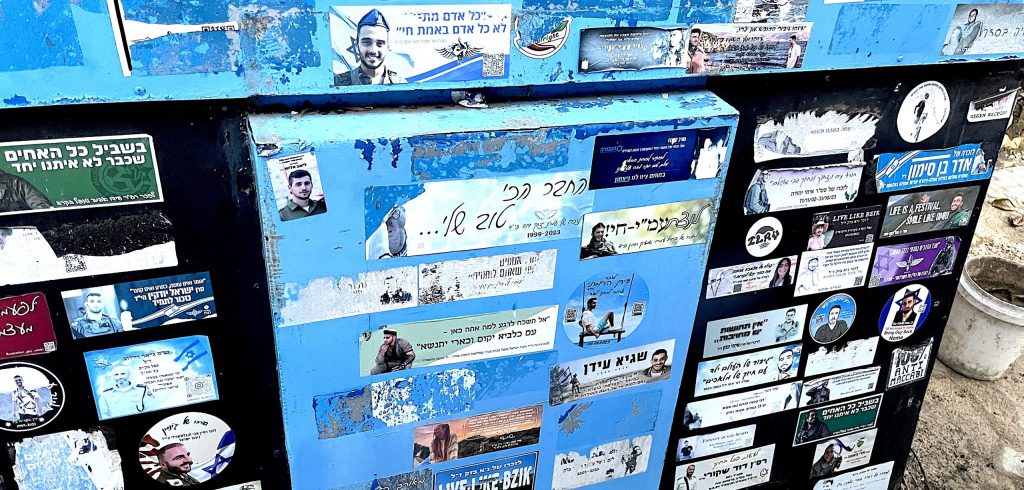
Arugam Bay, Ampara — July 31, 2025
Growing unease is simmering in Arugam Bay, a popular surf town on Sri Lanka’s eastern coast, as local residents voice concerns over what they describe as unchecked Israeli cultural and commercial dominance in the area. Billboards written in Hebrew, an expanding Israeli-owned tourism network, and allegations of state neglect have raised questions about sovereignty, regulation, and cultural erosion.
Over the past decade, Arugam Bay has become a major destination for Israeli travelers, particularly young backpackers and ex-military personnel, many of whom frequent the region during their post-service travels. While tourism is vital to the local economy, residents say the transformation in recent years has shifted from healthy exchange to disproportionate foreign control.
Signs of a Parallel Economy
The visual landscape of Arugam Bay now prominently features Hebrew signage—on cafes, surf shops, tuk-tuks, yoga retreats, and guesthouses. Several businesses are reportedly either operated directly by Israelis or leased informally through locals acting as proxies. Multiple establishments offer menus, services, and information exclusively in Hebrew, creating what locals call a “closed loop” tourism economy that marginalizes non-Hebrew-speaking Sri Lankans.
“There is now a visible ecosystem here that caters only to Israeli visitors,” said a local hotelier who requested anonymity. “Our businesses struggle to compete when entire guesthouses are booked out through Israeli travel groups months in advance.”
Cultural Tensions Rising
Residents, many of them Muslim, have expressed discomfort with behaviors they say clash with local norms. Complaints include scant clothing near religious institutions, loud late-night gatherings, and a disregard for cultural sensitivities. Tensions flared in previous seasons when attempts were made to limit noise or enforce modest dress codes, with some local business owners receiving online backlash.
“The problem isn’t tourists,” said a teacher from Pottuvil. “It’s when a group begins behaving like they own the place, ignoring the values of the host community, and the authorities do nothing.”
Questions Over Regulation
Despite growing unease, little regulatory oversight appears to exist. Immigration enforcement is reportedly lax, and there is limited data on how many foreign-run businesses are legally registered or taxed. The presence of a Chabad House—a Jewish religious center catering to Israeli visitors—has also sparked criticism among some local leaders, who argue that religious institutions should be subject to stricter registration and approval.
A senior government official speaking on condition of anonymity confirmed that several Israeli-linked operations in Arugam Bay are under review. “We are aware of the concerns and are evaluating the legal status of certain establishments. However, tourism is a sensitive sector—we need to balance economic interest with public sentiment,” the official said.
Previous Security Incidents
In October 2024, tensions escalated when several embassies issued security advisories warning of potential threats to Israeli nationals in Arugam Bay. A subsequent police operation led to the arrest of two Sri Lankan men allegedly involved in a planned attack. Though the threat was neutralized, the incident highlighted the frictions that can arise when security, religion, and tourism intersect.
Additional checkpoints, tourist surveillance, and the use of military escorts for certain visitors have since become a point of friction with the local community. “We don’t get police escorts for our safety, but foreigners do. It feels like two sets of rules,” one tuk-tuk driver said.
Calls for Equitable Policy
With tourism season approaching its peak, community leaders are urging the central government to step in with clearer policies. Their demands include:
Mandatory registration and taxation of all foreign-operated businesses Balanced promotion of local entrepreneurship in the tourism sector Greater cultural orientation for incoming visitors Enforcing immigration laws uniformly
As the town grapples with growing discontent, the issue of Arugam Bay has become emblematic of a broader conversation about ownership, cultural respect, and responsible tourism in Sri Lanka.
“Arugam Bay is not for sale,” one youth activist said bluntly. “We welcome visitors, but not at the cost of our identity.”





Leave a comment