

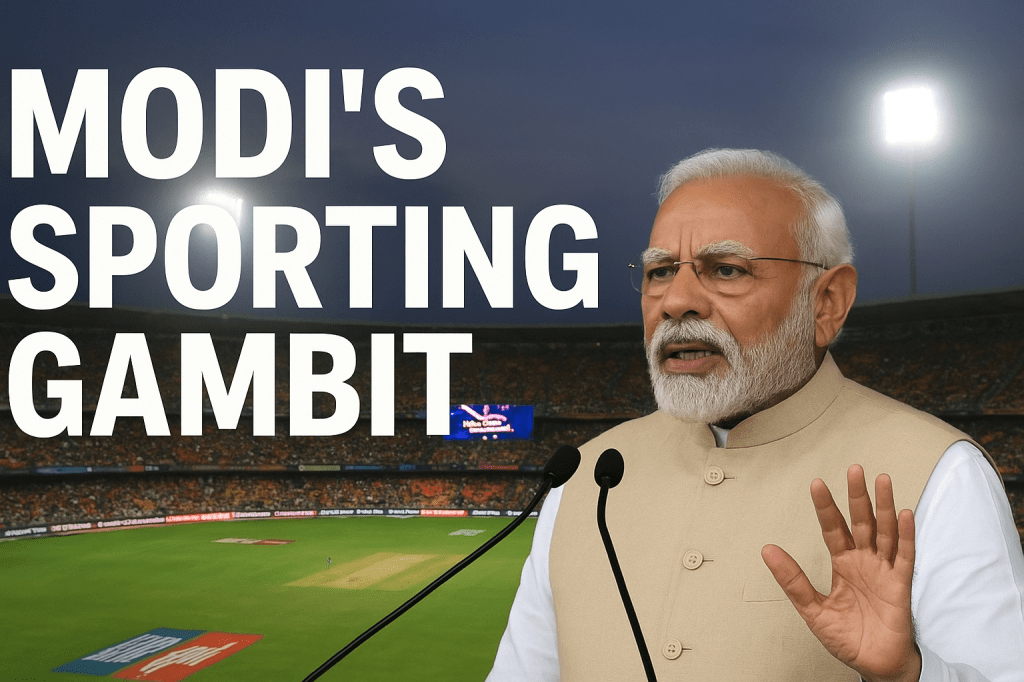
India’s reported consideration to boycott the Asia Cup cricket match against Pakistan, scheduled to take place in the UAE, carries significant risks beyond the realm of sports. Such a decision could have serious repercussions on India’s international reputation and its broader ambitions, particularly its bid to host the 2036 Summer Olympics.
Boycotting a high-profile sporting event would likely be perceived as a political gesture that undermines the spirit of sportsmanship and regional cooperation. Cricket, especially in South Asia, has historically been a platform for diplomatic engagement and cultural exchange between India and Pakistan. A boycott could be seen as a refusal to engage constructively, drawing criticism from the global community and international sports governing bodies.
From a diplomatic standpoint, such a move may strain India’s relations with the UAE, the host nation, which plays a pivotal role as a regional hub for cricket and international events. Maintaining positive relations with host countries is essential for the successful staging of global sporting events.
Moreover, India’s Olympic bid for 2036 depends heavily on projecting an image of inclusivity, cooperation, and global leadership. Actions that appear divisive or politically motivated could undermine the trust and support of the International Olympic Committee and other key stakeholders.
In summary, while political considerations often influence sporting decisions, India must carefully weigh the long-term consequences of boycotting the Asia Cup match. Upholding the principles of fair play and engagement could better serve its aspirations on the international stage, including its pursuit of the 2036 Olympics.




Leave a comment