

Colombo, August 1, 2025 — Sri Lanka is witnessing a concerning rise in cancer incidence, driven by multiple factors including an aging population, unhealthy lifestyle habits, environmental pollution, and unequal access to medical care across regions, according to Dr. Nadarajah Jeyakumaran, Consultant Clinical Oncologist at the National Cancer Institute in Maharagama.
Speaking to local media, Dr. Jeyakumaran highlighted that demographic shifts, such as increased life expectancy, naturally lead to higher cancer rates. However, he pointed to lifestyle-related risks—such as tobacco use, poor diet, and sedentary behavior—as major contributors exacerbating the problem.
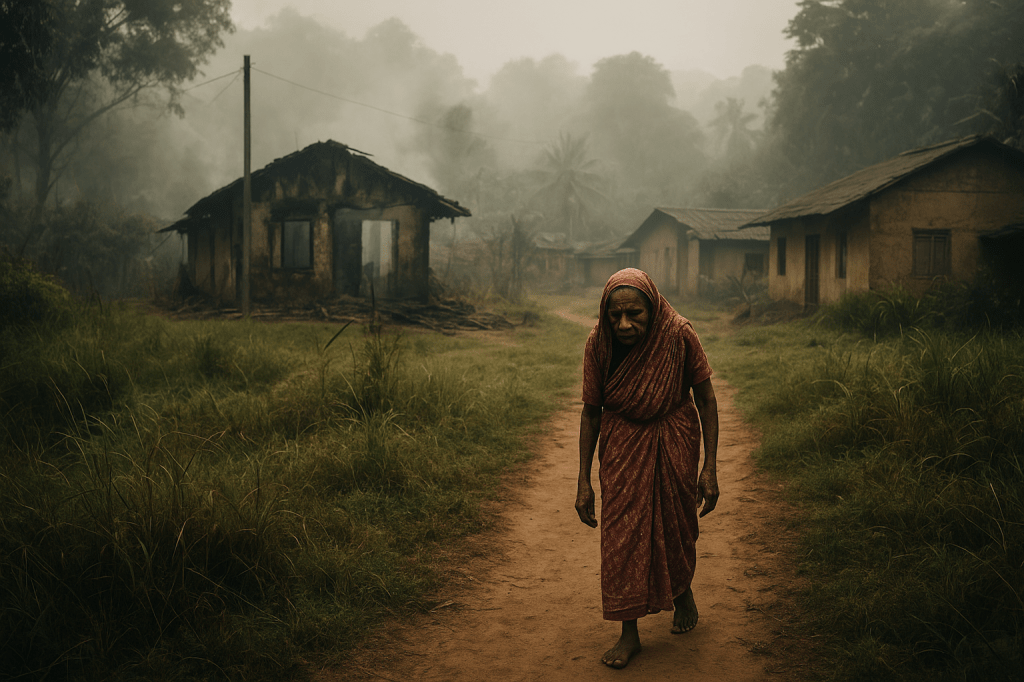
Environmental factors, including air and water pollution in certain areas, also pose significant health hazards that may increase cancer susceptibility among vulnerable communities.
Dr. Jeyakumaran further expressed concern over disparities in access to early diagnosis and advanced treatment, particularly in some rural and underserved provinces. This gap, he noted, often results in late-stage cancer detection and poorer outcomes for patients outside major urban centers.
He urged a multi-pronged national strategy involving public awareness campaigns, improved healthcare infrastructure, and environmental safeguards to curb the rising trend.
“Cancer is a complex challenge, but with coordinated action, better education, and equitable healthcare access, we can reduce its impact on Sri Lankan families,” Dr. Jeyakumaran said.
The National Cancer Institute continues to lead efforts to enhance cancer care and research in the country, advocating for expanded resources to meet growing demand.




Leave a comment