
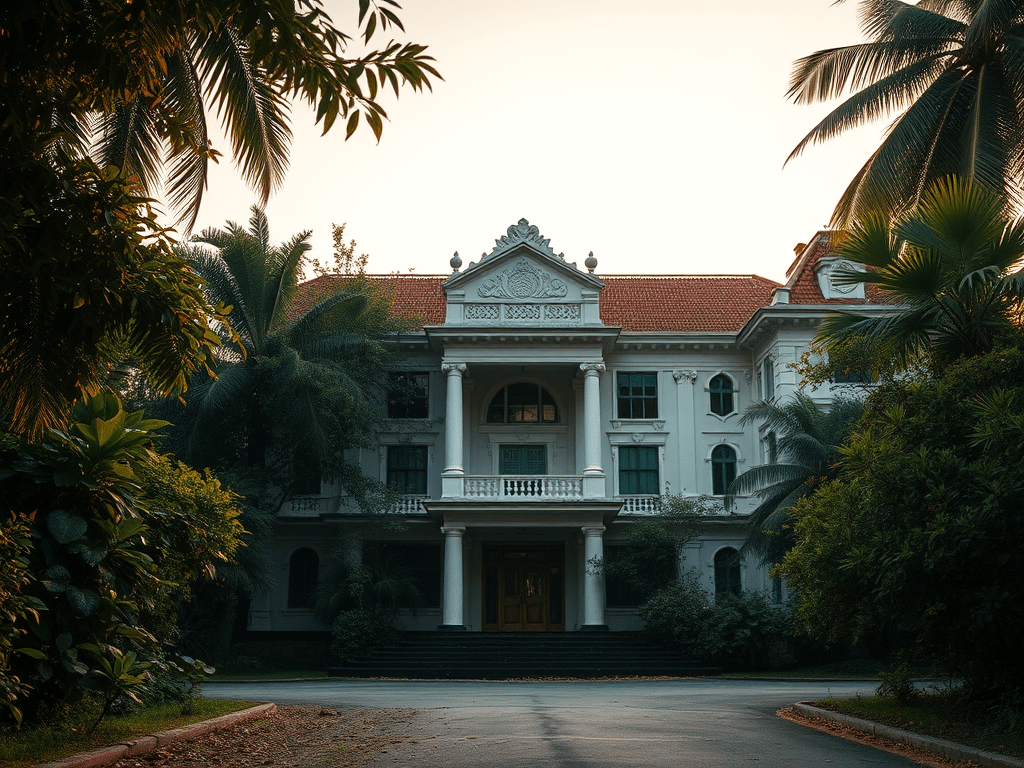
Colombo, August 2, 2025 — As Sri Lanka continues to navigate economic challenges, government spending on maintaining official residences for Members of Parliament has come under increased scrutiny. Investigations reveal that despite significant expenditure on upkeep, many of these properties remain largely unoccupied, prompting concerns over resource allocation and public accountability.
Financial Impact of Idle Properties
Sources close to parliamentary administration indicate that the annual maintenance cost for each official residence — covering security, utilities, cleaning, and repairs — amounts to several hundred thousand rupees. Given the number of these properties across the country, the total yearly expenditure is estimated to be in the tens of millions of rupees.
A government official involved in parliamentary affairs acknowledged the inefficiencies, noting that fixed costs remain constant regardless of occupancy, as security and maintenance must be maintained year-round.
Reasons Behind Low Occupancy
Interviews with MPs suggest various reasons for their reluctance to reside in official housing:
Preference to live with family in personal homes due to comfort and convenience. Official residences sometimes lack modern amenities or are located inconveniently relative to workplaces. Concerns over security and safety, with some officials feeling more secure in their private residences.
These factors contribute to a trend where official homes, though available, are often left unused.
Broader Implications for Governance
Experts highlight that maintaining unoccupied official residences signals wider challenges in public asset management:
Funds used for upkeep could be redirected to critical sectors such as healthcare and education. Absence of public reporting on residence occupancy undermines transparency. Vacant properties represent lost opportunities for alternative uses benefiting the public sector or communities.
Governance analysts emphasize the need for systemic reforms to optimize the use of state assets and ensure accountability.
Calls for Action
Advocates are urging the government to:
Conduct a thorough audit of all official parliamentary residences to assess usage and cost-effectiveness. Review policies on maintaining such properties in light of current parliamentary needs. Consider repurposing unused residences for public benefit, including affordable housing or community facilities. Implement transparent reporting mechanisms to inform the public on asset utilization.
No official response has yet been provided by the relevant ministries on these proposals.
Changing Political Culture and Public Expectations
The issue highlights shifting dynamics within political culture, where traditional privileges are being reconsidered amidst growing public demand for responsible governance. Ensuring effective management of government assets is increasingly seen as essential to maintaining public trust.
Conclusion
In a period marked by fiscal constraints, the continued maintenance of underused official residences for MPs presents a clear opportunity for reforms that could save public funds and enhance governance. Addressing this matter could contribute positively toward broader efforts to demonstrate fiscal responsibility and improve public confidence in government operations.




Leave a comment