
Colombo, August 3, 2025 — Tensions are rising in Sri Lanka’s electric vehicle (EV) market as an ongoing customs investigation casts a shadow over BYD imports linked to a joint venture involving John Keells Holdings (JKH). The inquiry — centred on alleged underreporting of electric motor power to obtain lower tax rates — is already triggering panic among new vehicle owners.
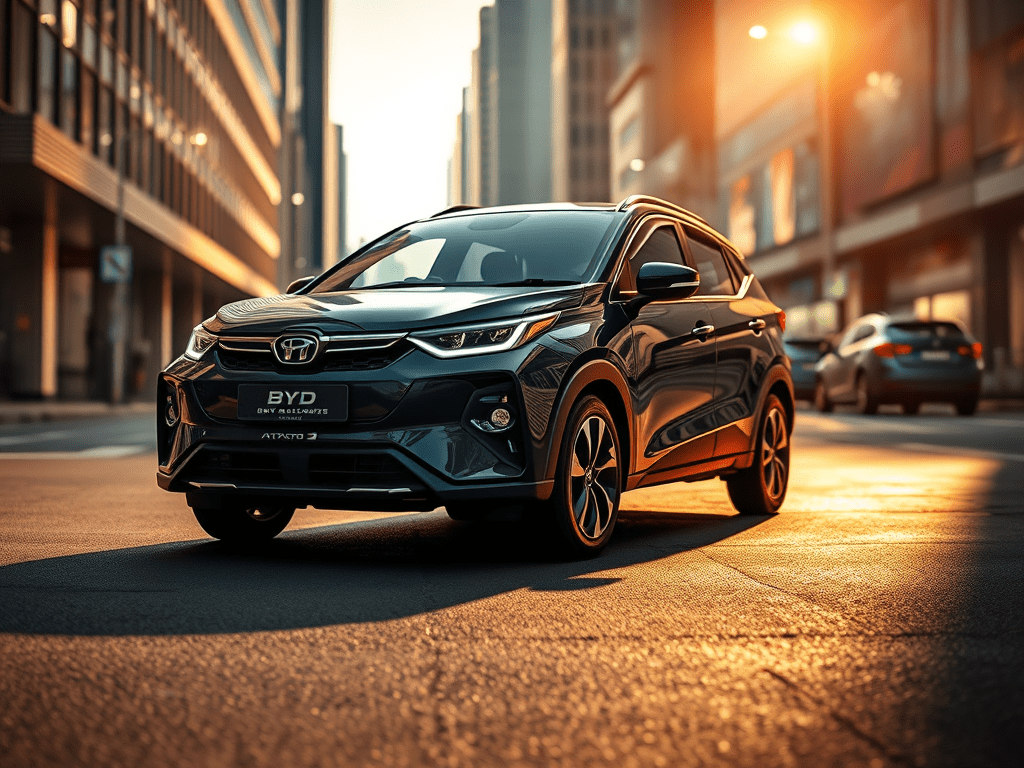
According to market insiders, several BYD owners are now rushing to sell their brand-new vehicles at deep discounts amid fears that Customs could retroactively impose taxes or seize vehicles if irregularities are confirmed. In one striking example, a BYD Atto 3 was reportedly sold at a loss of Rs. 4.7 million, less than two months after purchase.
While Customs has yet to release a formal statement or identify specific models under scrutiny, internal sources suggest that multiple shipments are being reviewed to verify whether the motor ratings declared at the point of import match manufacturer specifications. Under Sri Lanka’s current tariff structure, EVs with motors rated under 100kW benefit from significantly lower import duties.
One senior official at a major Colombo-based dealership, who requested anonymity due to the sensitivity of the matter, said:
“The real concern is that the government might treat this as systemic evasion. If that happens, owners — not just importers — could be caught in the middle.”
JKH has not been accused of wrongdoing, but its partnership in bringing BYD to Sri Lanka places the company at the centre of public speculation. A source close to the group said all documentation was filed in accordance with regulatory requirements and expressed confidence in the legality of the import process.
Investor and Consumer Jitters
The uncertainty has triggered a noticeable chill in Sri Lanka’s second-hand EV market. Buyers are hesitant. Sellers are desperate. Even prospective customers — previously enticed by the sleek design and competitive pricing of BYD vehicles — are reconsidering their options.
Auto analysts say the investigation comes at a time when public confidence in EV policy is already fragile, especially with tax structures for hybrid and electric vehicles constantly under review. “This is a wake-up call for Sri Lanka’s automotive regulators and consumers,” said a leading motor trade consultant. “Without clear and transparent oversight, the EV boom could become an EV bust.”
Tax Policy Under the Microscope
The incident also reopens discussion on Sri Lanka’s steep import taxes, especially in comparison to regional peers. Even with electric vehicle incentives, a basic EV in Sri Lanka can cost up to three to four times what it does in countries like Pakistan or Thailand.
Critics argue that inconsistencies and loopholes in the current system not only distort prices but also incentivise manipulation. One industry veteran put it bluntly:
“If you make it cheaper to declare a 99kW motor, people will find a way to say their 150kW motor is 99kW.”
Where This Goes Next
For now, Customs has declined to comment on whether retrospective penalties will apply to registered owners if fraud is proven. Legal experts say this will depend on whether buyers can be shown to have knowingly benefited from misdeclarations.
In the meantime, some BYD owners are taking the financial hit and selling early — worried about what tomorrow might bring.
“It’s not worth the risk,” said a recent seller in Kandy. “I’d rather lose a few million now than wait and find out my car’s under investigation.”
Whether this case becomes a turning point for EV regulation in Sri Lanka or a cautionary tale for future buyers, one thing is clear: the confidence that once powered the rise of BYD in Sri Lanka has been shaken.




Leave a comment