
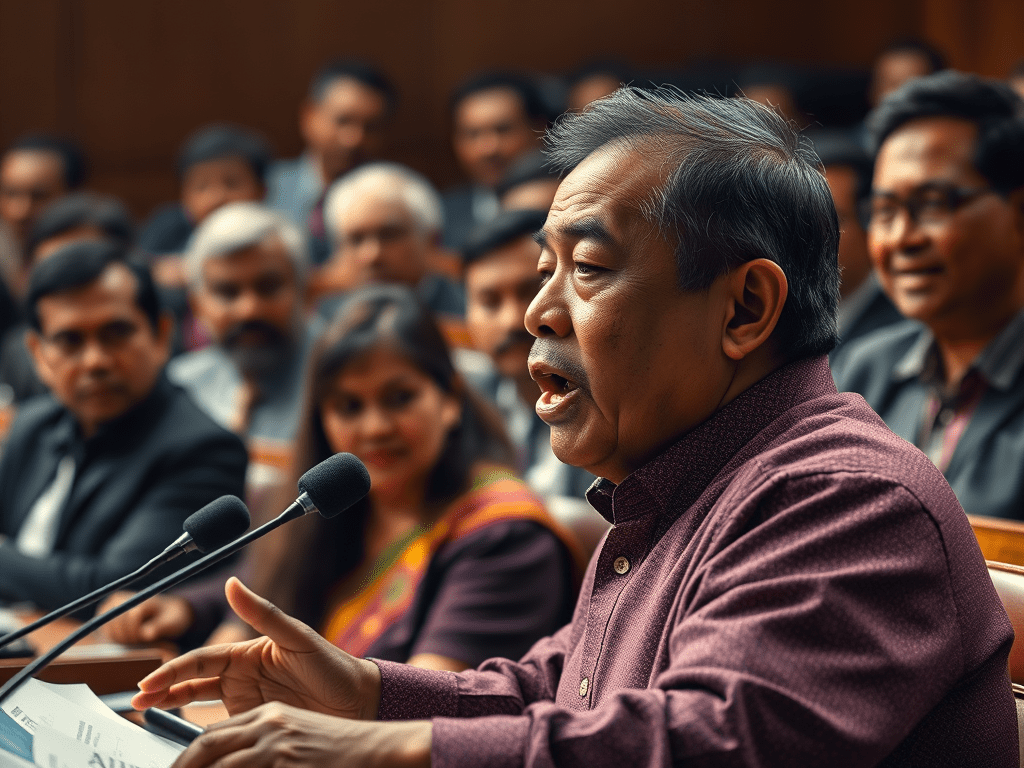
Colombo, August 4, 2025 — A growing debate over the future of pension entitlements for Sri Lanka’s former Members of Parliament has reignited after former JVP parliamentarian Nandana Gunathilake issued a provocative public warning in defence of ex-legislators’ benefits.
Gunathilake’s statement—“I will die, but not alone, I was a guerrilla”—has drawn attention to mounting tensions over proposed reforms to parliamentary pensions, which are currently being reviewed as part of the government’s broader fiscal tightening measures.
A History of Generous Entitlements
Sri Lanka’s parliamentary pension scheme, introduced decades ago, provides life-long pensions to former MPs after just five years of service. It has long been criticised by civil society groups as disproportionately generous, particularly in contrast to the country’s strained public finances and minimal social protection for ordinary citizens.
As of 2025, more than 300 former MPs receive monthly pensions, many of whom also hold other income-generating roles in the private sector or through political appointments.
Government Reforms and Fiscal Pressure
With Sri Lanka still navigating the aftermath of its economic crisis and under pressure from international lenders to reform its public spending, officials have hinted at the need to reassess the structure and eligibility criteria for MP pensions. However, no final decision has been taken.
A senior Treasury official, speaking on condition of anonymity, confirmed that the pension bill is under review. “We are considering adjustments that bring fairness and sustainability, especially when frontline public service workers often retire with far less security.”
Mixed Reactions
While some former MPs defend their entitlements as compensation for years of public service—often during volatile political climates—public sentiment remains strongly critical.
“The country is asking struggling pensioners to make do with scraps while ex-politicians enjoy lifetime benefits after just one term,” said Malini de Silva, a retired teacher from Kurunegala. “It’s time for equity.”
Activists have called for a restructured system that ties benefits to actual years of service and excludes those with criminal records or corruption charges.
Next Steps
The government is expected to present a draft proposal on public sector pension reforms in Parliament later this year. It is unclear whether parliamentary pensions will be addressed directly in that bill or through separate legislation.
For now, Nandana Gunathilake’s explosive remarks have added urgency to an already sensitive conversation—forcing both government and former lawmakers to consider not just fiscal realities, but public trust and moral responsibility.




Leave a comment