
Colombo, August 4, 2025 — As diplomatic talks continue between Sri Lanka and the United States to lower tariffs on key exports, economists and trade stakeholders have highlighted the potential positive impact such changes could have on Sri Lanka’s export-dependent economy.
Ambassador Mahinda Samarasinghe recently confirmed ongoing discussions aimed at securing reduced tariffs on apparel, rubber, and agricultural products — sectors that contribute significantly to foreign exchange earnings and employment.
“The United States remains one of Sri Lanka’s largest trading partners, especially for the garment industry, which employs hundreds of thousands of people,” said Ruvini Fernando, a senior economist based in Colombo. “Reducing tariff barriers would provide much-needed relief to exporters grappling with rising production costs and intensifying global competition.”
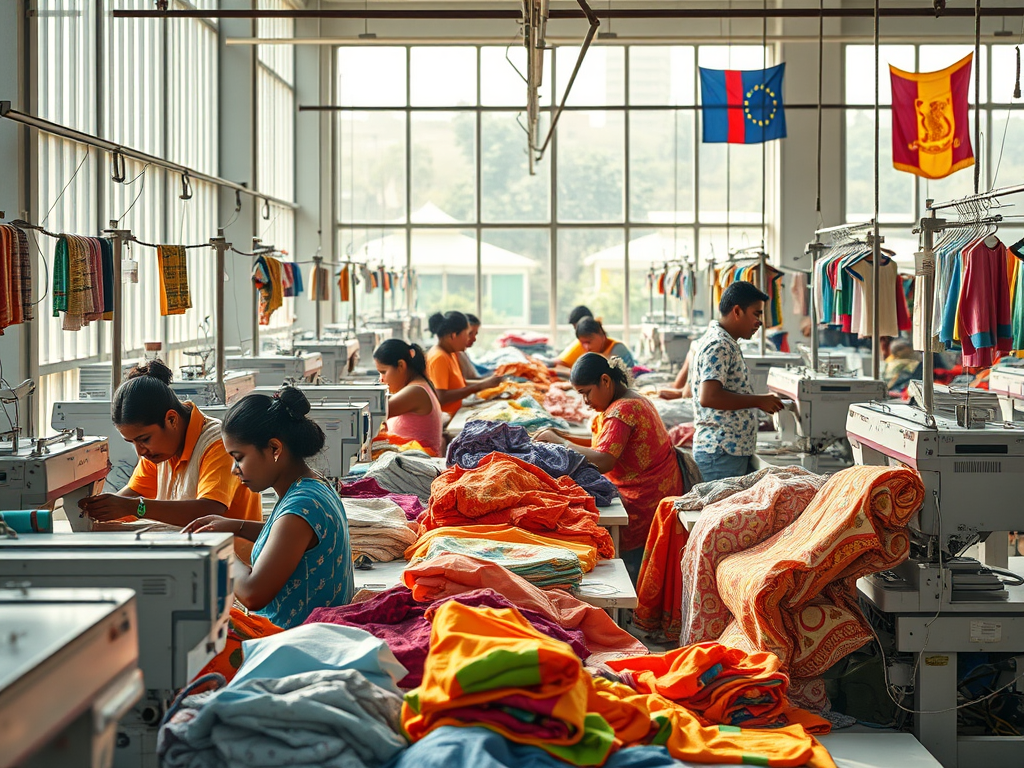
Sri Lanka’s apparel exports to the U.S. alone accounted for over two billion U.S. dollars in revenue last year, representing a vital source of income for many small and medium-sized enterprises. However, compared to competitors in the region who enjoy preferential trade access, Sri Lankan exporters have faced higher duties that limit their price competitiveness.
“Trade concessions are not just about numbers; they directly affect livelihoods in factory towns across Sri Lanka,” Fernando added.
In parallel to efforts with the U.S., Sri Lanka continues to engage with the European Union to maintain the GSP+ trade preference scheme, which offers duty-free access to various products but requires ongoing compliance with human rights and labour standards. The country is also seeking to strengthen ties with India by negotiating expanded terms under the Indo-Sri Lanka Free Trade Agreement.
As the government works to stabilise the economy amid global uncertainties and post-pandemic recovery challenges, successful tariff reductions could provide an important catalyst for export growth, job preservation, and broader economic resilience.
Trade officials emphasise that continued diplomatic engagement and adherence to international trade commitments will be essential to unlocking these benefits.




Leave a comment