
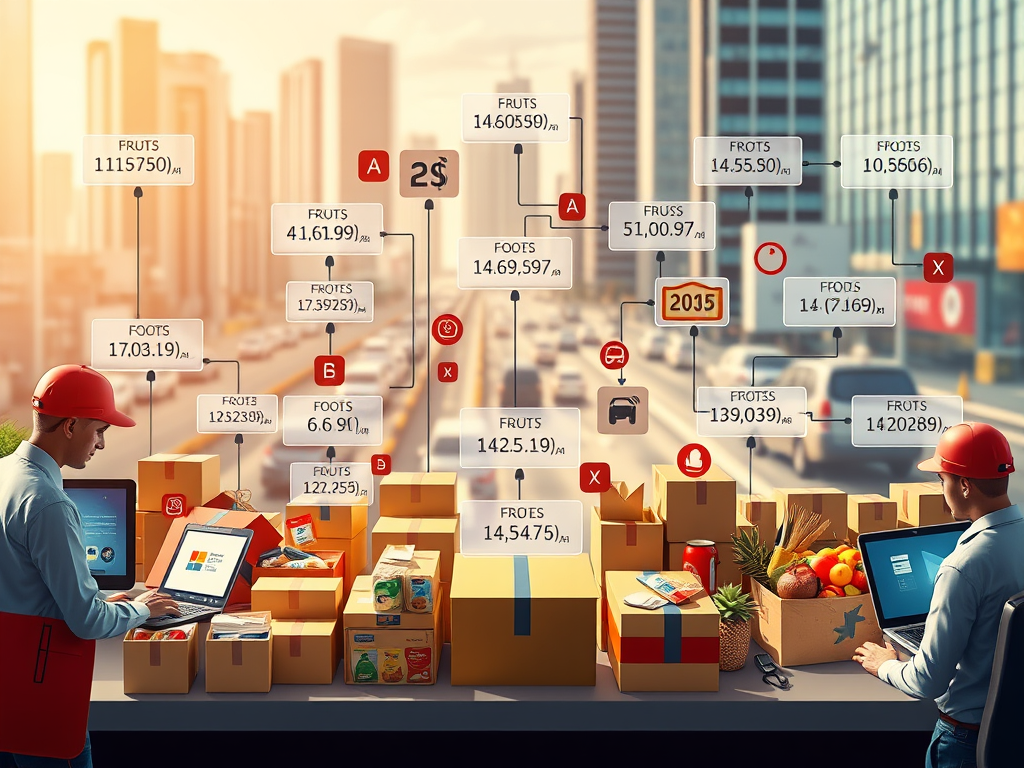
Colombo, August 4, 2025 — The Harmonized System (HS) code is a globally recognized standardized numerical method for classifying traded products, maintained by the World Customs Organization. Used by more than 200 countries, HS codes enable governments to apply tariffs, taxes, and regulations uniformly and facilitate international trade compliance.
What Are HS Codes?
HS codes categorize products based on their nature, composition, and use. Each product type is assigned a unique code which customs officials use to determine applicable duties and taxes. For instance, electronics, clothing, and food products each have distinct HS codes that guide tax calculations and import regulations.
Sri Lanka’s decision to apply taxation on e-commerce imports based on HS codes aimed to align with international customs standards and ensure correct tax collection. However, this transition created challenges as online purchases often involve diverse product categories, sometimes imported in small quantities or as individual shipments, complicating customs processing.
Impact on Sri Lanka’s E-Commerce Sector
The shift to HS code-based taxation affected several key areas:
Customs Delays: Small parcels and shipments bought via platforms such as AliExpress, Amazon, and Temu faced prolonged clearance times due to the need for detailed product classification. This caused bottlenecks at customs checkpoints, delaying deliveries and frustrating consumers. Cost Increases: The reapplication of taxes based on HS codes led to higher charges on imported goods, raising prices for local customers. This price hike resulted in decreased demand and hesitation among global sellers to ship to Sri Lanka. Effect on Small Importers: Local small-scale importers and entrepreneurs who relied on e-commerce platforms to source goods faced operational challenges. Increased customs costs and delays strained their businesses, impacting livelihoods.
Government Response and Regulatory Developments
Recognizing these issues, Sri Lanka’s Cabinet of Ministers appointed a committee to recommend temporary relief measures and establish a long-term regulatory framework for e-commerce taxation. This committee, involving Sri Lanka Customs and related officials, was tasked with streamlining procedures to reduce delays and balance tax compliance with market realities.
Following the committee’s recommendations, the government has amended customs processes to ease clearance without compromising revenue collection. This has allowed e-commerce operations to regain momentum, benefiting consumers and businesses alike.
Looking Ahead
As online shopping continues its rapid growth in Sri Lanka, creating a clear, efficient, and fair taxation system is critical. Properly implemented HS code classification combined with digital customs solutions could foster a more robust e-commerce environment, attracting sellers while ensuring the government secures rightful revenue.
Balancing regulation with facilitation remains a key priority as Sri Lanka navigates the challenges and opportunities of the digital economy.




Leave a comment