
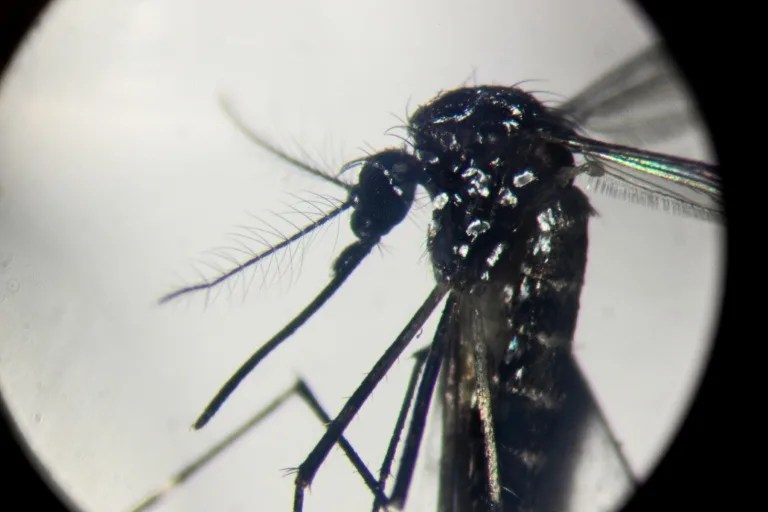
Southern China is grappling with a surge in chikungunya fever, a mosquito-borne illness that has infected more than 7,700 people in recent weeks, prompting health officials to step up prevention and control efforts.
According to local authorities in Guangdong province, the hardest-hit area is the industrial city of Foshan, where 2,770 infections were recorded between July 27 and August 2. The figures, published by the provincial disease control office and widely circulated by state media, reflect growing concern over the outbreak’s rapid spread.
Chikungunya is caused by a virus transmitted to humans through the bite of infected mosquitoes, primarily Aedes aegypti and Aedes albopictus. Common in tropical and subtropical regions, the disease is known for causing sudden fever and severe joint pain that can persist for weeks or even months. While it is rarely fatal, its symptoms can significantly affect quality of life.
Due to similarities in symptoms, chikungunya is often mistaken for other mosquito-borne diseases such as dengue and Zika, making it harder to track outbreaks accurately. Two vaccines have been approved for use in select countries, but neither has yet been rolled out on a large scale. In most cases, patients are treated with supportive care, including paracetamol to reduce fever and pain.
Authorities in Guangdong are reportedly intensifying mosquito control campaigns, enhancing public health messaging, and conducting screenings in high-risk areas in a bid to stem the spread of the virus.
Public health experts are urging residents to take personal precautions, such as using mosquito repellent, installing screens, and eliminating standing water near homes — all aimed at reducing mosquito breeding.
As the outbreak continues to unfold, the situation is being closely monitored by national health authorities amid heightened concerns about the potential for further spread during the summer months.





Leave a comment