
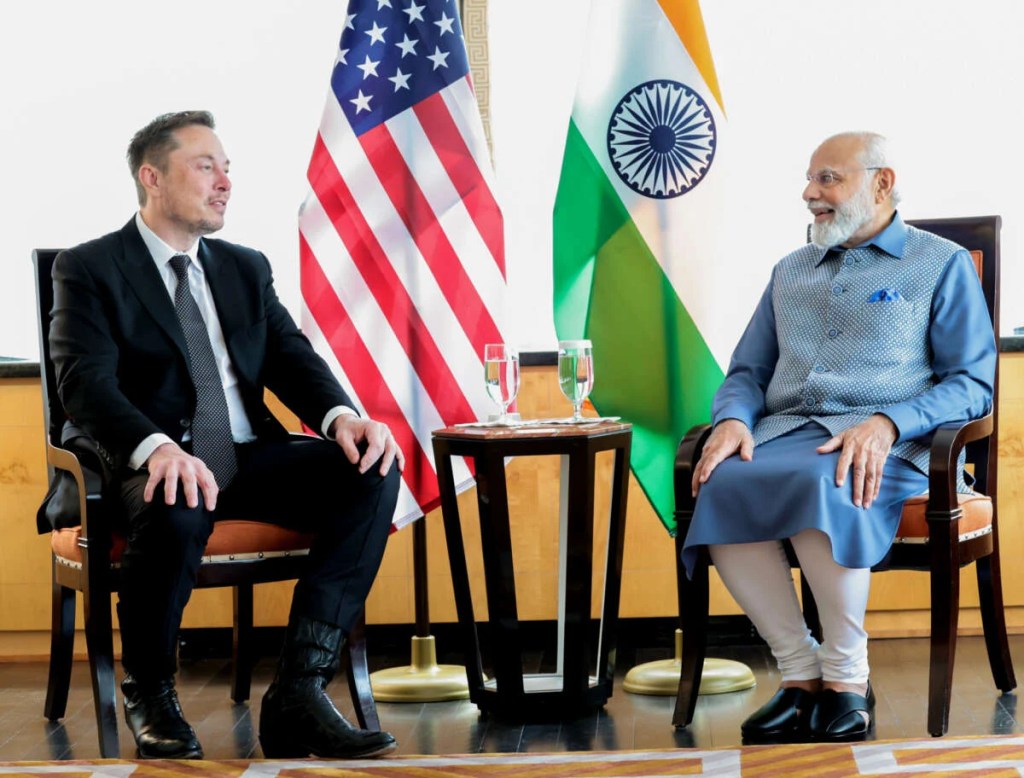
A legal fight is unfolding between Elon Musk’s X and the Indian government, in what could become a landmark case for online speech in one of the world’s largest digital markets. The platform is challenging a wave of takedown orders issued under Prime Minister Narendra Modi’s administration, arguing that India’s current approach threatens to erode constitutional protections and silence criticism.
At the center of the dispute is a new system that has expanded the government’s ability to demand content removal. Once limited to central ministries, the authority to issue takedown requests now extends to a wide network of police departments and agencies across the country. This change, introduced in 2023, has resulted in a dramatic rise in content removal demands, many of which X claims target satire, political cartoons, media coverage, and even posts by ruling party members themselves.
X’s lawsuit, filed in the Karnataka High Court, alleges that India’s recent actions amount to unconstitutional censorship. Among the posts cited in the case are ones criticizing politicians, mocking inflation, or reporting on fatal incidents like a stampede at a railway station—content that the government has argued could incite public disorder or pose national security risks.
Documents reviewed in the case reveal that over 1,400 posts or accounts were targeted for removal between March 2024 and June 2025. A significant share of the orders came through a new online portal, Sahyog, created by the Indian Cybercrime Coordination Centre. X has refused to join the platform, labeling it a “censorship portal,” and is now directly challenging the legal foundation of the portal and the broader content regulation system.
India’s government defends its stance, claiming the measures are needed to combat unlawful and harmful material online, such as hoaxes and graphic content. Officials say they are acting within existing laws and stress that tech giants like Google and Meta comply with similar requests. Still, critics argue the system lacks transparency and accountability, especially when satire and press reports are among the targets.
The case has not yet affected the cordial public relationship between Modi and Musk, but its outcome could have major implications for the tech billionaire’s plans to expand Tesla and Starlink in the country. It also raises urgent questions about the role of digital platforms in preserving free expression in democracies—and whether governments should act as both judge and enforcer when it comes to speech online.
As the courtroom drama unfolds, the world is watching closely. What happens next could shape the future of digital governance in India and far beyond.




Leave a comment