
Sirte, Libya — For Mokhtar al-Rammash, the Mediterranean Sea has become less a source of livelihood and more a floating garbage patch. Preparing his frayed nets for another fishing trip from the Libyan coastal city of Sirte, he gestures at the waste-scarred waters.
“These nets now catch only plastic,” he says. “It feels like we’re cleaning the sea instead of earning a living from it.”
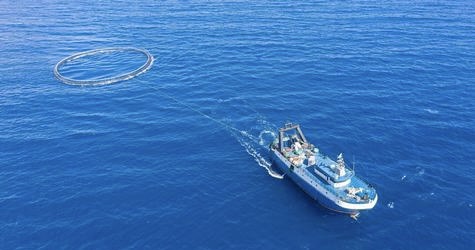
According to the United Nations, 730 tonnes of plastic enter the Mediterranean every day, compounding decades of overfishing and environmental neglect. Al-Rammash says industrial trawlers are “taking everything, even the juvenile fish,” leaving the waters “swept clean” on a daily basis. Sewage discharges from towns near Tripoli, coastal reclamation projects and habitat destruction have further diminished stocks.
“We have one of the longest coastlines in the region, yet we import fish from abroad,” he laments, adding that repeated pleas to Libya’s Environment Ministry have gone unanswered.
The problem stretches far beyond Libya. In Egypt’s Alexandria, veteran fisherman Haj Abdel Nabi recalls hauling in 100 kilograms of fish in a single trip decades ago; now, he sometimes returns with nothing. Similar patterns are reported in Algeria, where environmental authorities warn of annual illegal catches of some 1,300 tonnes of juvenile sardines, threatening both biodiversity and the fishing economy.
Mounting Pressures, Limited Action
Marine scientists point to rising sea temperatures, shifting rainfall patterns and accelerating sea-level rise as climate change compounds existing pressures on Mediterranean ecosystems. Over the past century, oceans have absorbed around 90% of the excess heat caused by human activity, placing additional stress on marine life.
Egypt has announced a national coastal protection plan, including restoring two lakes, constructing 70 kilometres of sand dune dikes, cutting plastic use through producer responsibility laws, and involving fishermen in marine waste collection and water quality monitoring. “Protecting the Mediterranean is no longer an environmental choice — it’s a social and economic necessity,” said Environment Minister Yasmine Fouad.
Algeria, meanwhile, has partnered with the Union for the Mediterranean to digitise fishing activity monitoring and improve port tracking systems.
Globally, momentum is building through agreements such as the High Seas Treaty, signed by 55 nations in June, which aims to protect 30% of the world’s oceans by 2030, and the Nice Ocean Action Plan, backed by 170 countries and €1 billion in funding from European nations.
Scepticism from the Shoreline
But for those whose livelihoods depend on the sea, promises often ring hollow. “It’s hard to believe when some of the biggest funders are also the world’s worst polluters,” says Tunisian environmental activist Samir Sheikh al-Zaghnani.
Al-Rammash says the solutions must include the people who know these waters best: “We know the sea, and we can protect it, but we don’t have the tools. If they keep giving us promises while giving others the nets, there’ll be nothing left for us.”



Leave a comment