
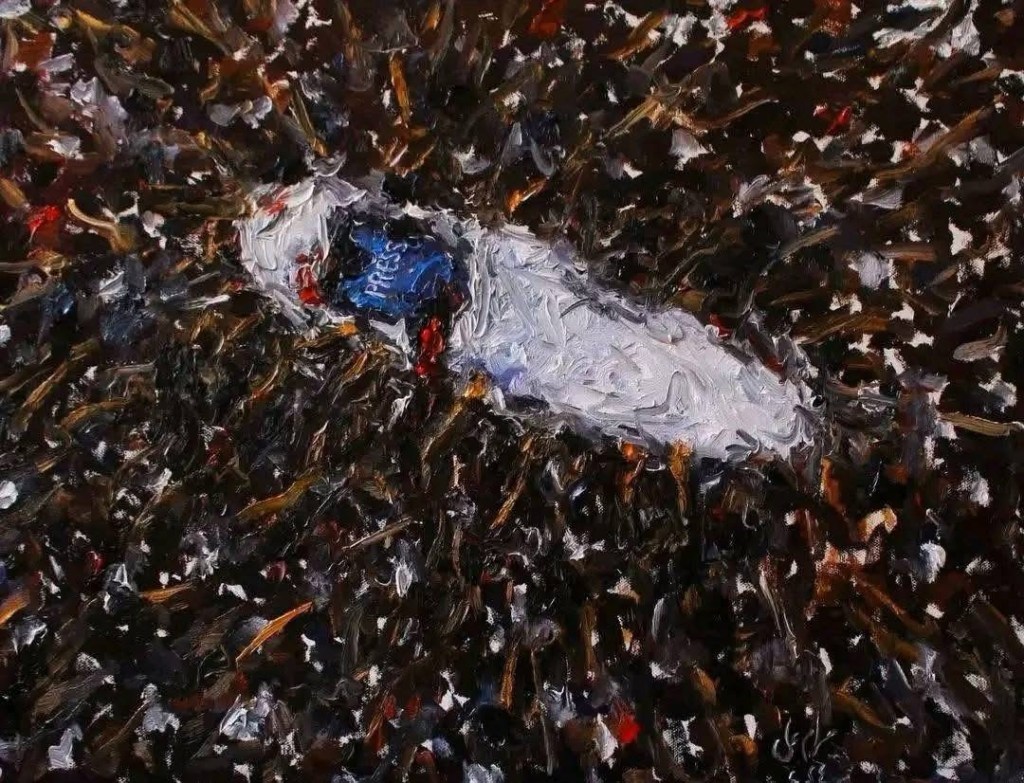
Gaza City, Palestine — The tragic killing of Al Jazeera correspondent Anas al-Sharif, alongside four of his colleagues in an Israeli airstrike on a journalists’ tent outside Al-Shifa Hospital, marks a grim chapter in an escalating pattern of violence targeting journalists reporting from Gaza. The attack, which took place amidst intense Israeli bombardments in Gaza, has intensified global concern over the safety of media professionals covering the conflict.
Anas al-Sharif was killed alongside fellow correspondent Mohammed Qreiqeh and camera operators Ibrahim Zaher, Moamen Aliwa, and Mohammed Noufal. This strike followed a disturbing pattern: since the onset of Israel’s military campaign in October 2023, more than 230 journalists have been reported killed across Gaza. These attacks have often been accompanied by official Israeli military statements claiming journalists were linked to militant groups, allegations widely disputed by international media watchdogs and press freedom organizations.
Al-Sharif, who hailed from the Jabalia refugee camp, was known for his courageous frontline reporting. Despite enduring personal losses, including the deaths of family members, he continued to document the human toll of the conflict. In his final message published posthumously, he wrote, “If these words of mine reach you, know that Israel has succeeded in killing me and silencing my voice.” His testament urged the world not to forget Gaza or its people, entrusting his family and homeland to those who continue the fight for freedom and dignity.
The strike on the journalists’ tent at Al-Shifa Hospital came just hours after Israeli Prime Minister Benjamin Netanyahu announced plans to permit some foreign journalists into Gaza, a territory from which international media has largely been barred. The timing has been criticized as contradictory amid continuing deadly assaults on local journalists.
A Pattern of Targeting Journalists
The targeting of journalists is not new in the Israeli-Palestinian conflict. In May 2022, veteran Palestinian-American journalist Shireen Abu Akleh was fatally shot while covering an Israeli military raid in the Jenin refugee camp in the occupied West Bank. Wearing a clearly marked press vest, Abu Akleh was killed by a bullet that investigations later attributed, with high probability, to Israeli forces. Despite the Israeli military’s admission, no accountability measures have been taken, and her death remains a potent symbol of the dangers faced by journalists in the region.
Other Al Jazeera journalists killed during this conflict include Samer Abudaqa, Ismael Al-Ghoul, Ahmed Al-Louh, Hossam Shabat, and Hamza Dahdouh — the latter being the son of Al Jazeera’s Gaza bureau chief Wael Dahdouh. The loss of these journalists, many of whom were clearly identifiable as members of the press, underscores the risks media professionals endure in war zones.
The Human Cost and Urgency for Press Protection
Doctors like Dr. Aslam Akhtar, who volunteered at Al-Shifa Hospital until recently, describe the humanitarian crisis unfolding alongside the conflict. Akhtar testified to the hospital’s destruction, including repeated incursions and arson by Israeli forces, leaving the medical facility unusable. He painted a bleak picture of malnutrition and suffering among patients, including healthcare workers themselves who have endured extreme deprivation.
The international community has repeatedly called for stronger protections for journalists in conflict zones. Organizations such as Reporters Without Borders (RSF) and the Committee to Protect Journalists (CPJ) condemn attacks on media workers and demand accountability. Yet, impunity remains pervasive.
Conclusion
The killing of Anas al-Sharif and his colleagues is a tragic reminder of the escalating dangers for journalists who risk their lives to bring truth from conflict zones. Their work challenges narratives, exposes human suffering, and holds powers accountable. The continuing pattern of violence against the press in Gaza and the occupied West Bank highlights an urgent need for international mechanisms to protect journalists and ensure justice when they are targeted.
The voices of journalists like al-Sharif and Abu Akleh remain essential, bearing witness to history amid violence and oppression. Their legacy calls on the world not to forget Gaza, its people, and the critical role of a free and fearless press.



Leave a comment