
COLOMBO, Sri Lanka – With inflation tamed, reserves rebuilt, and foreign investment rising, Sri Lanka’s economy is in far better shape than during the 2022 crisis. But the challenge of lowering household costs remains unresolved.
Economists warn that without targeted measures, the benefits of macroeconomic stability will bypass ordinary citizens. “You can’t eat a fiscal deficit target,” said one economist in Colombo. “The question now is how to turn national stability into family-level affordability.”
Building Food Security at Home
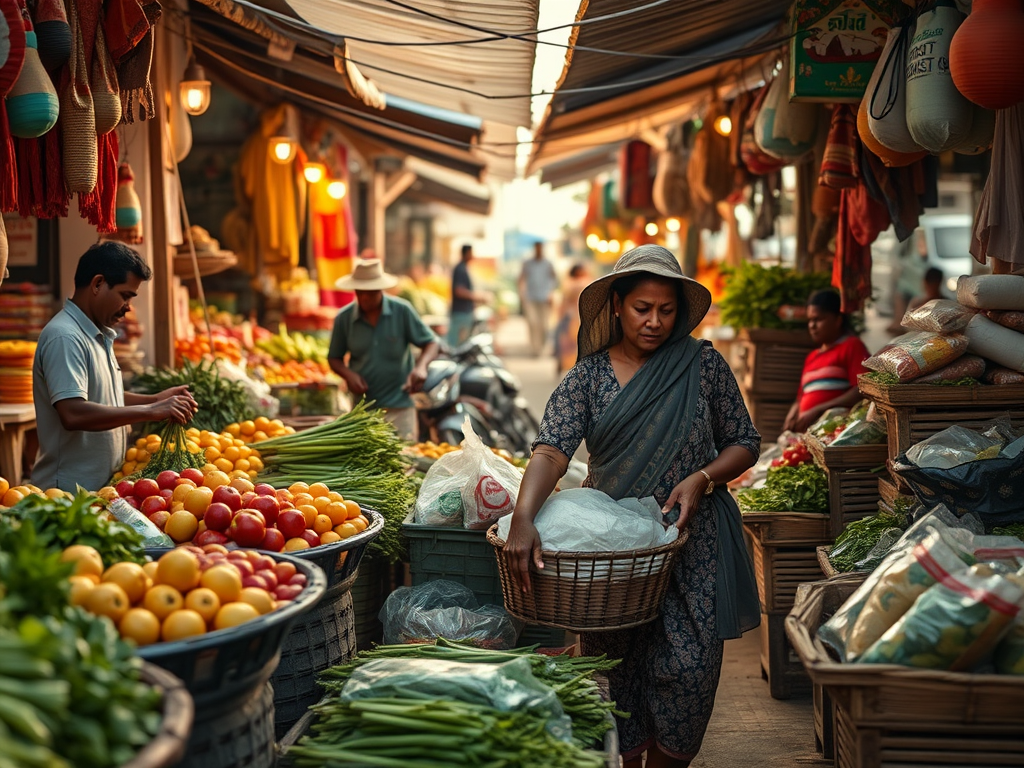
One priority is reducing the country’s dependence on imported staples. Currently, between one-fifth and one-quarter of Sri Lanka’s food basket—wheat, dairy, pulses, and some fruits—is sourced from abroad. Price shocks in global markets or fluctuations in the rupee immediately hit consumers.
Agricultural specialists recommend subsidising fertiliser, improving irrigation systems, and supporting climate-resilient farming. Expanding cold-storage facilities and rural road networks could reduce waste and middleman costs. Some point to Vietnam’s transformation from rice importer to major exporter as proof that targeted investment can stabilise domestic prices while increasing farmer incomes.
Breaking Monopolies in Essential Services
Energy and transport costs remain among the biggest drivers of household expenses. The electricity sector, petroleum imports, and parts of public transport are dominated by state-owned monopolies. Economists say inefficiencies and procurement problems push prices higher than necessary.
Opening fuel imports and power generation to competitive tendering, while keeping strict regulatory oversight, could lower costs over time. Similar reforms in the Philippines’ power sector helped stabilise supply and pricing without compromising service standards.
Making Wages Keep Pace with Productivity
Even as the economy grows, wages in many sectors have lagged behind living costs. Formal-sector salary adjustments have often failed to match inflation, leaving workers with less real purchasing power.
Labour experts argue for linking minimum wage changes to both productivity gains and inflation rates. Strengthening collective bargaining and expanding access to skills training could also help workers move into better-paid jobs. South Korea’s tripartite wage council model—adjusting pay annually based on economic performance—has been cited as a potential reference.
The Kitchen-Table Metric
Analysts stress that lowering the cost of living is not about dismantling fiscal discipline. Instead, it is about aligning stability policies with household realities. That means channelling efficiency gains into affordable essentials, supporting domestic production, and ensuring incomes rise alongside productivity.
For many Sri Lankans, the true measure of recovery will not be found in GDP charts or foreign reserve figures, but in the weekly grocery bill. Until then, the gap between statistical success and lived experience will remain Sri Lanka’s most pressing economic challenge.





Leave a comment