
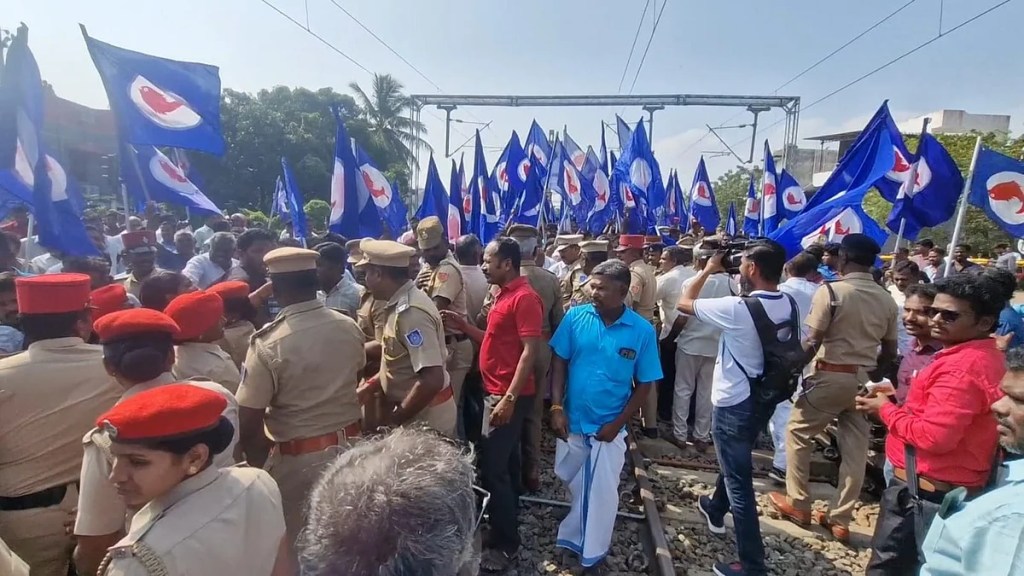
Rameswaram, Tamil Nadu – The ongoing strike by over 10,000 fishermen in Tamil Nadu has once again brought attention to long-standing maritime tensions between India and Sri Lanka. Mechanised fishing boats have remained anchored in Rameswaram harbors, as the community demands the immediate release of 61 Indian fishers detained by the Sri Lanka Navy since mid-June, alongside the restitution of their vessels.
The strike, endorsed by Tamil Nadu’s All Mechanised Fishermen Consultation, also underscores broader territorial grievances, with renewed calls for India to reclaim Katchatheevu island, a 290-acre islet ceded to Sri Lanka in 1974 under a bilateral agreement. Local fisherfolk contend that the island’s loss and the militarized waters of the Palk Strait have imperiled traditional livelihoods and subjected communities to repeated harassment.
Historical Context of the Disputes
The India–Sri Lanka maritime boundary has been a flashpoint for decades, driven by overlapping fishing zones, dwindling marine resources, and contested interpretations of bilateral treaties. Historically, fishermen from Tamil Nadu have crossed into Sri Lankan waters—often inadvertently—due to monsoon-driven currents and traditional fishing patterns.
- 1974 Katchatheevu Agreement: India ceded the uninhabited islet to Sri Lanka in exchange for fishing rights in surrounding waters. Despite the agreement, local fishermen frequently assert claims over traditional fishing grounds near the island.
- Civil War Era (1983–2009): During Sri Lanka’s civil war, the Palk Strait region became heavily militarized. Indian fishers faced increasing arrests and harassment from the Sri Lankan Navy, although numbers remained sporadic due to the security environment.
- Post-War Tensions (2010s–2020s): Following the end of Sri Lanka’s civil conflict, the Navy intensified patrols to prevent illegal fishing, often arresting Tamil Nadu fishers for crossing the maritime boundary. Cases of seized boats, confiscated gear, and temporary detentions became increasingly common, heightening resentment among the Indian fishing community.
Recent and Ongoing Incidents
- June 2025: 61 Indian fishers arrested by the Sri Lanka Navy, sparking the current strike.
- 2024–2025 Patterns: Fishermen report repeated detention, often lasting days to weeks, with boats impounded and gear confiscated. Arrests disproportionately affect mechanised vessels that stray into Sri Lankan waters.
- Humanitarian Concerns: Detentions have raised safety and livelihood concerns, as fishing is the primary income source for thousands of families in Tamil Nadu’s coastal towns.
Community Responses and Political Pressure
The current strike reflects a growing impatience with the Indian central government’s handling of the issue. Protest actions include demonstrations, hunger strikes, and rail blockades, intended to force dialogue with Sri Lanka. Fishermen argue that longstanding agreements have failed to protect them from arrest and that territorial concessions like Katchatheevu have left communities vulnerable.
Political analysts suggest that the dispute represents more than a fisheries issue. “This is a persistent border management problem, compounded by resource scarcity and historic grievances,” said a maritime security expert based in Chennai. “It touches on sovereignty, livelihoods, and bilateral diplomacy simultaneously.”
The Path Forward
Observers note that resolving the tension requires a multi-pronged approach:
- Diplomatic Engagement: Direct talks between India and Sri Lanka on detention policies, fishing boundaries, and rights to traditional fishing areas.
- Technological Aids: GPS-based monitoring systems on mechanised vessels to reduce accidental border crossings.
- Community Dialogue: Structured communication channels between fishermen and authorities to prevent escalation.
- Resource Management: Cooperative fishing agreements and sustainable practices to ease competition in contested waters.
Without a comprehensive solution, experts warn that the Palk Strait is likely to remain a flashpoint, with arrests, strikes, and protests recurring in a cycle that threatens both regional stability and the livelihoods of thousands of coastal communities.


Leave a comment