
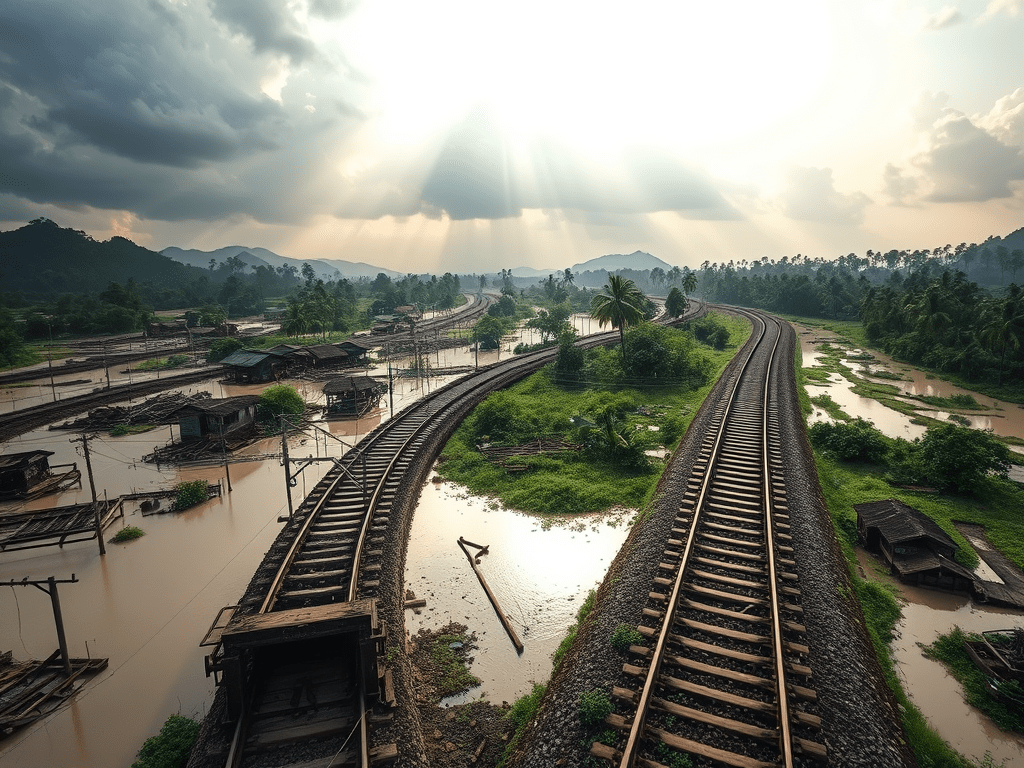
Colombo, Sri Lanka — For decades, Sri Lanka has been celebrated as an island where history, culture, and natural beauty unite. Few destinations can match this unique blend. The country’s tourism identity is shaped by its ancient kingdoms and colonial railway lines. It also features golden beaches, wildlife sanctuaries, and vibrant communities. These elements have always inspired travelers.
But the recent cyclone and the massive flooding that followed has shaken that identity. The storm did more than damage homes, roads, and landscapes. It revealed deep flaws in the way the island has been planned, developed, and protected. It has sparked a vital conversation about Sri Lanka’s past decisions, current responsibilities, and future direction.
A Heritage Landscape That Outlived Time — Until Now
Some of Sri Lanka’s oldest infrastructure tells a story of engineering wisdom. Colonial-era railways and routes were built more than a century ago. They were constructed with remarkable attention to water flow, natural contours, and long-term resilience. When the floodwaters rose, many of these old systems endured. Ironically, their survival highlighted the weaknesses of more recent development, which often ignored the natural behavior of the land.
Modern Development That Intensified the Flooding
In recent years, rapid urban growth reshaped Colombo and several other major cities. Much of this growth prioritized commercial value and visual appeal rather than environmental sustainability. Wetlands were reclaimed, natural drainage routes were obstructed, and floodplains were progressively narrowed by construction. What was intended to modernise the country inadvertently magnified the impact of the cyclone.
When the storm hit, stormwater systems collapsed under pressure. Areas once considered safe were suddenly submerged. The cyclone exposed weaknesses that had been quietly accumulating for decades.
Oversight, Not Blame
It is important to recognize that the damage can’t be attributed to any single administration. These vulnerabilities are the result of long-standing gaps in oversight, inconsistent environmental policies, and a lack of sustained long-term planning. Successive governments inherited these fragile systems. Some improvements were made in tourism zones and urban areas. Nonetheless, critical issues like drainage management and ecological preservation were often sidelined.
The disaster has made it clear. We can’t postpone issues related to planning. Environmental protection and structural resilience must also be addressed now.
Tourism and Nature: A Relationship Under Threat
Sri Lanka’s tourism strength is inseparable from the health of its natural environment. Wildlife parks flood, and coastal zones erode. Forests and heritage sites are damaged. The effects reach far beyond what money can repair. These events disrupt ecosystems. They displace wildlife. Communities that depend on tourism lose their income overnight.
Hotels close, transport routes become unsafe, and nature-based activities are suspended. The ripple effects travel across the entire economy, reminding the country how sensitive tourism is to environmental crises.
A Moment to Rethink the Future
Despite the hardships, the cyclone has created an opening for Sri Lanka to rethink how development and tourism are approached. The country must adopt an integrated approach to infrastructure. This includes respecting natural water pathways. Preserving floodplains is also crucial. Wetlands should be treated as essential buffers. Natural barriers like mangroves and forest reserves must be restored and protected. Heritage structures, both ancient and colonial, offer lessons in building with the landscape rather than against it. Planning, environmental review, and disaster management systems must be strengthened and made more transparent. Most importantly, rebuilding tourism must involve local communities so that recovery is fair, inclusive, and sustainable.
A Future Built on Hard Lessons
Sri Lanka has endured conflict, economic turmoil, and global uncertainty. The cyclone is another difficult chapter, but it does not have to be a lost opportunity. The contrast between the resilience of historic infrastructure and the fragility of some modern developments sends a simple message. The country must learn from the past. It must correct today’s mistakes. It must also prepare thoughtfully for the future.
Sri Lanka remains a nation of remarkable beauty and cultural depth. With strong planning, honest reflection, and genuine commitment, the country can rebuild what was damaged. It can also create a more resilient and sustainable tourism industry for generations to come.



Leave a comment